Nature walks
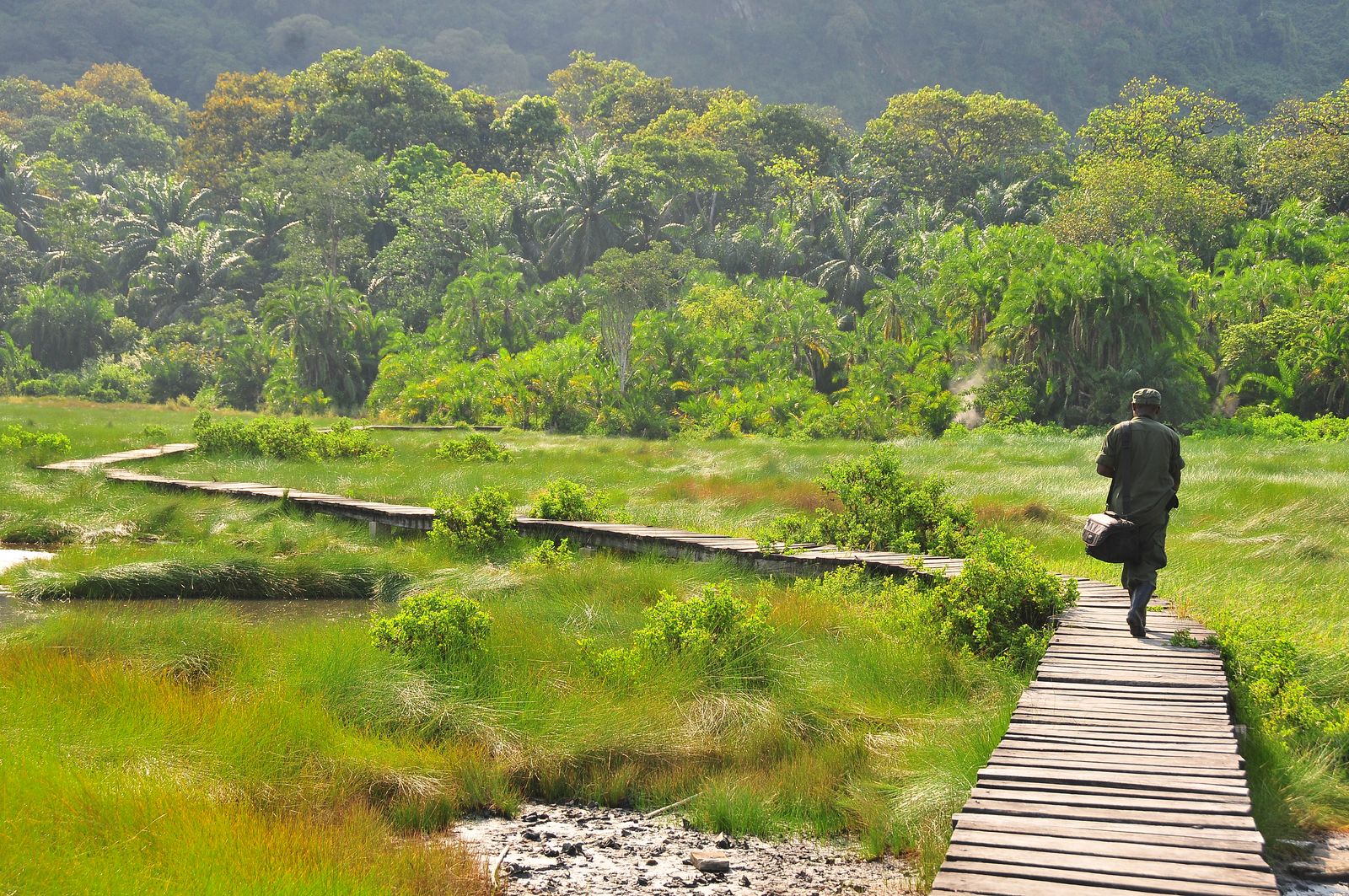
Guided forest walks follow quiet trails under a canopy of enormous trees, ferns and orchids. Rangers point out monkeys, butterflies, medicinal plants and birdsong you would never notice alone.


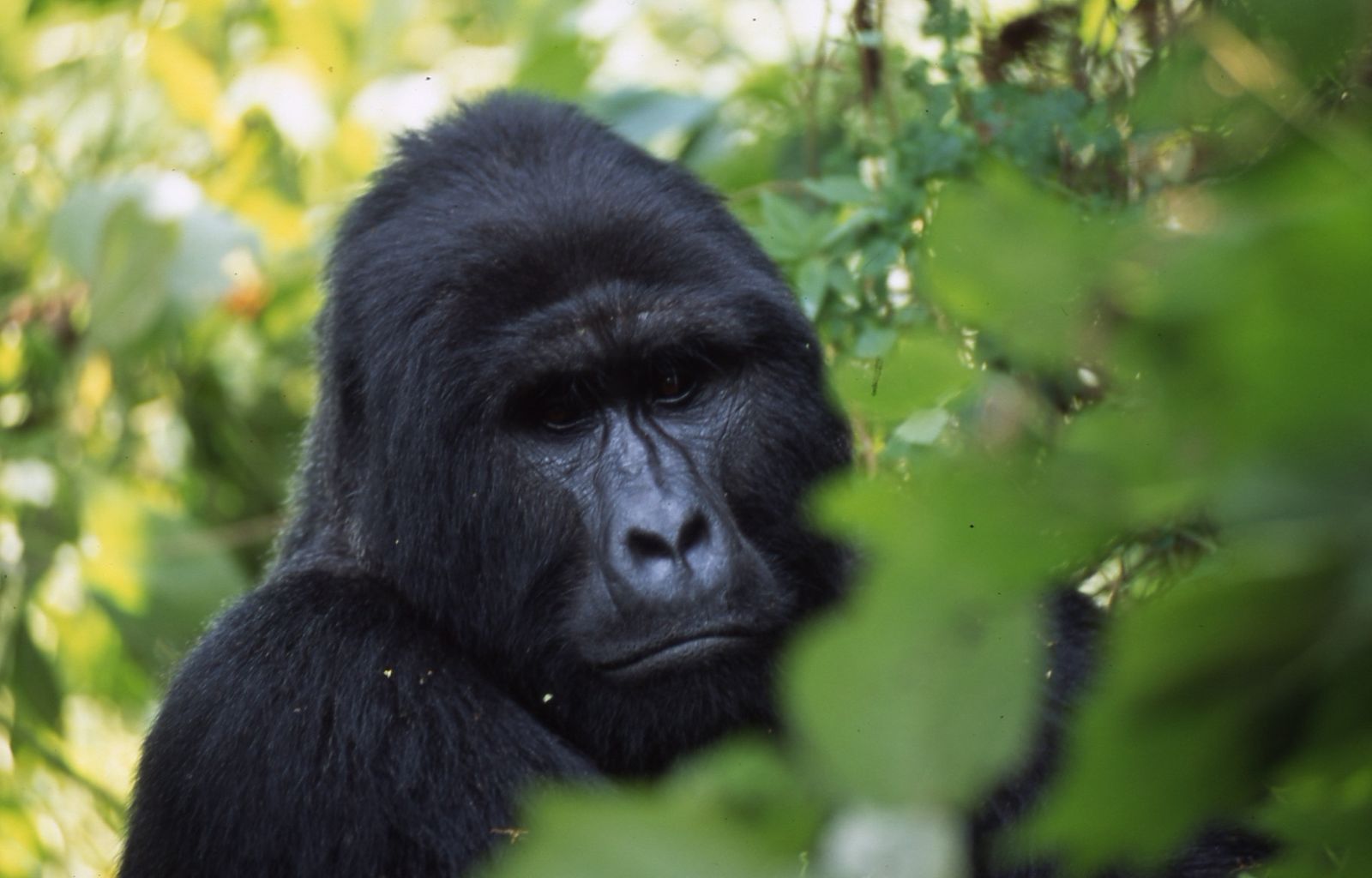
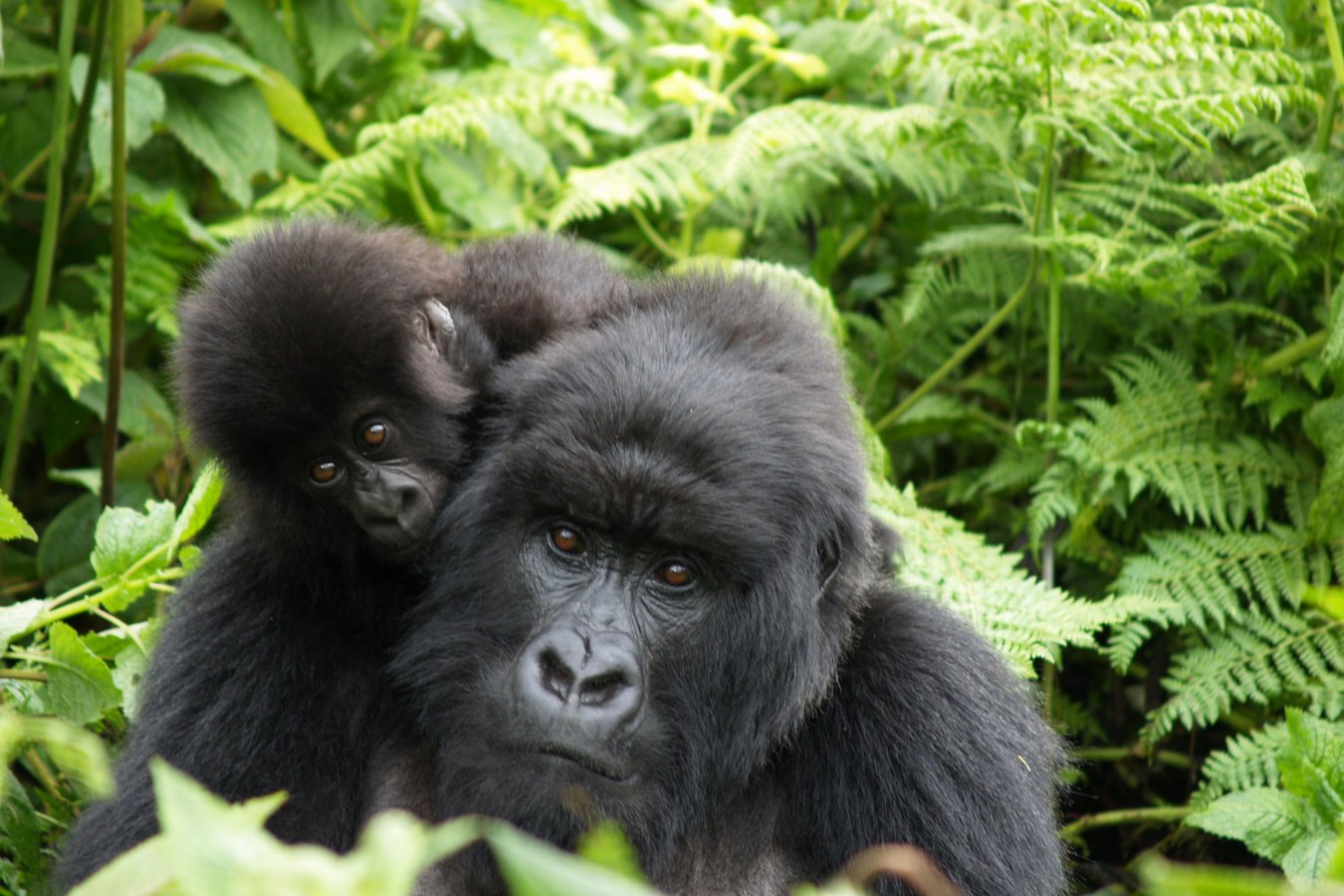
Ancient rainforest and home to half the world’s mountain gorillas.
Bwindi Impenetrable Forest is one of the oldest and most biologically rich forests in Africa, and home to roughly half of the world’s mountain gorillas. Its misty hills are as beautiful as they are steep.
The gorillas draw people here, but there is so much more to do around the forest, from guided nature walks to the stories and songs of the Batwa.
Nothing compares to the moment a gorilla looks at you. It is quiet, humbling and strangely familiar. I have seen it on the faces of people who thought they were just ticking a bucket-list item.
But what I love just as much is everything around it: the terraced hills, the cool mornings, the farmers who greet you by name by the second day, the Batwa who share their forest knowledge. Bwindi is a place for slowing down.
I always suggest at least an extra day around the forest so the gorillas are the beginning of the experience, not all of it.
Guided forest walks follow quiet trails under a canopy of enormous trees, ferns and orchids. Rangers point out monkeys, butterflies, medicinal plants and birdsong you would never notice alone.
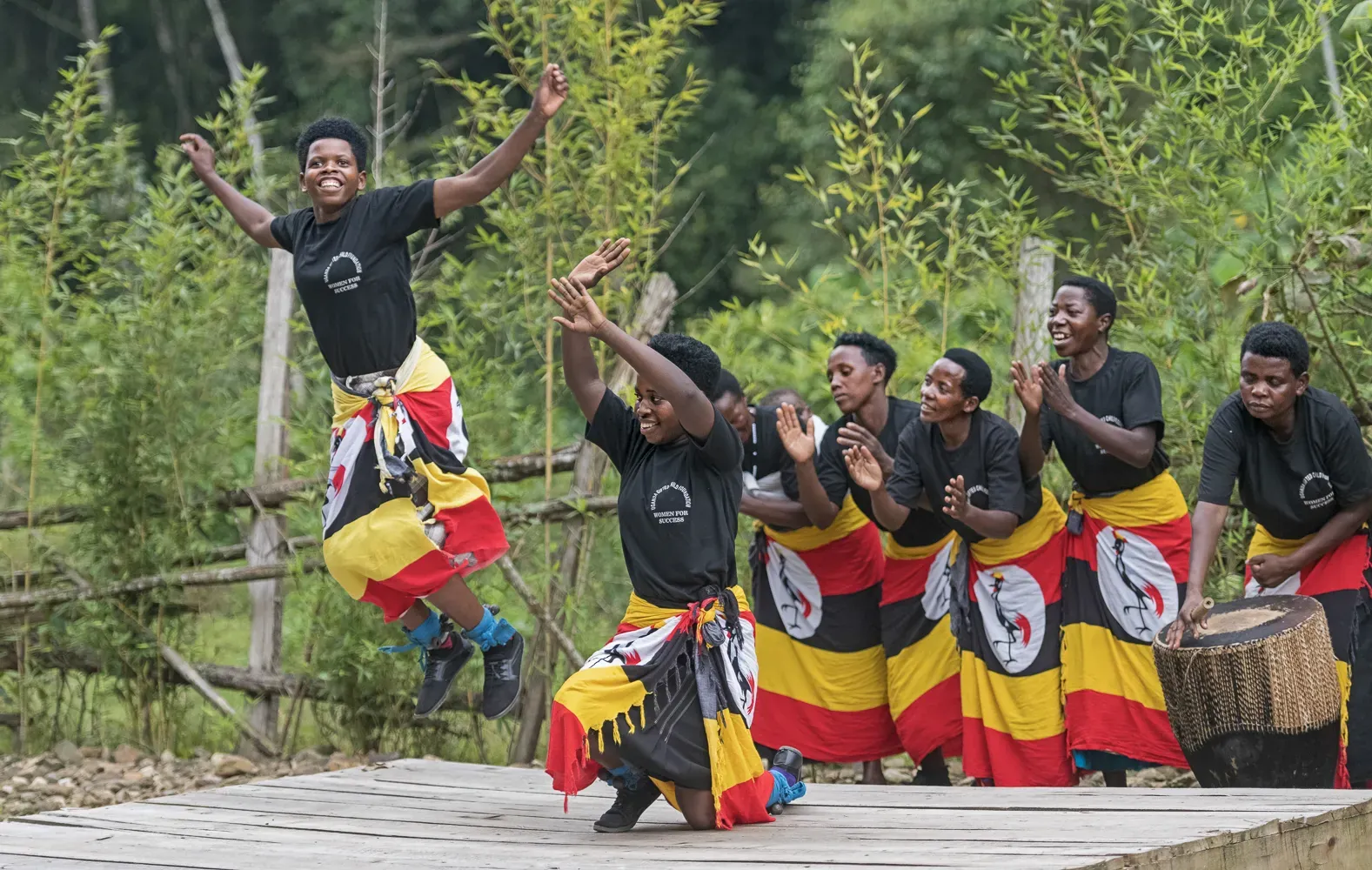
The Batwa were the first people of these forests. Spend time with Batwa guides who share songs, dances, hunting skills and the story of life in the forest, in a visit that supports their community directly.
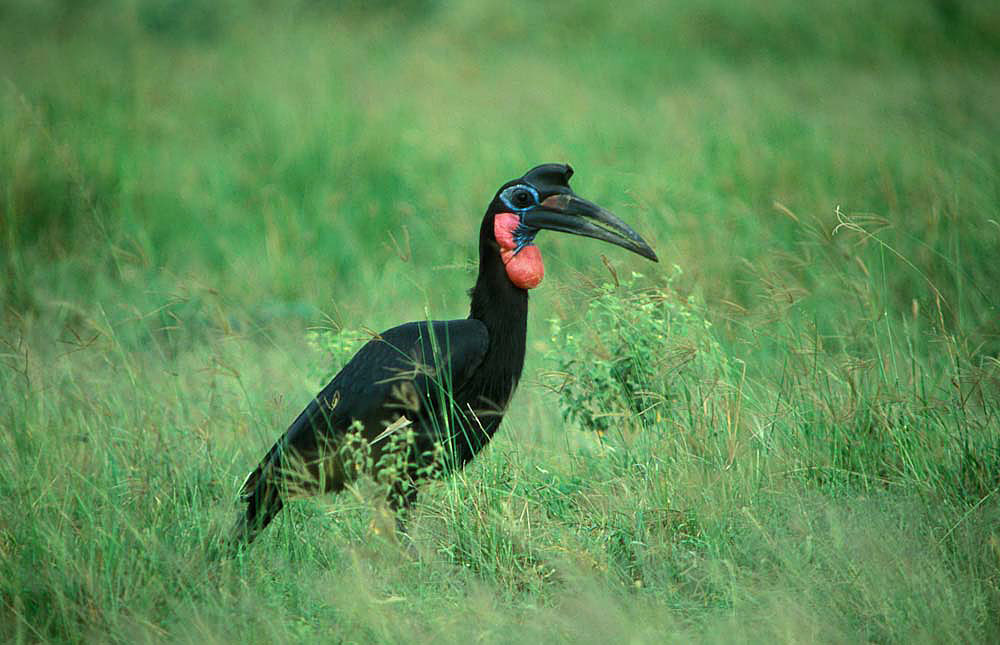
Bwindi shelters hundreds of bird species, including many Albertine Rift endemics found nowhere else. Early morning walks with a birding guide are a treat even for beginners.
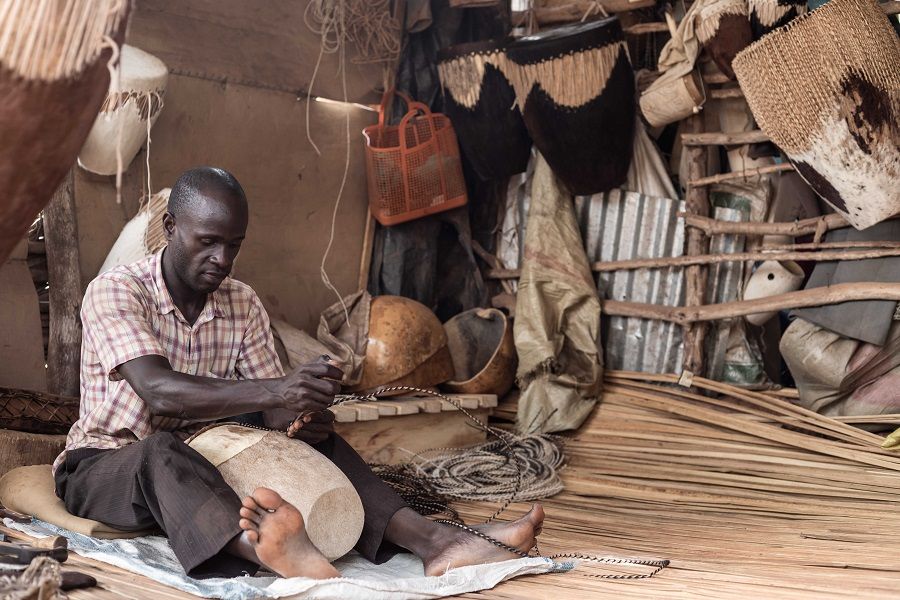
Meet local farmers, craftspeople and women’s groups: join a banana-beer demonstration, learn basket weaving, share a village meal or visit a school. Time spent in the community is often the part guests talk about most.
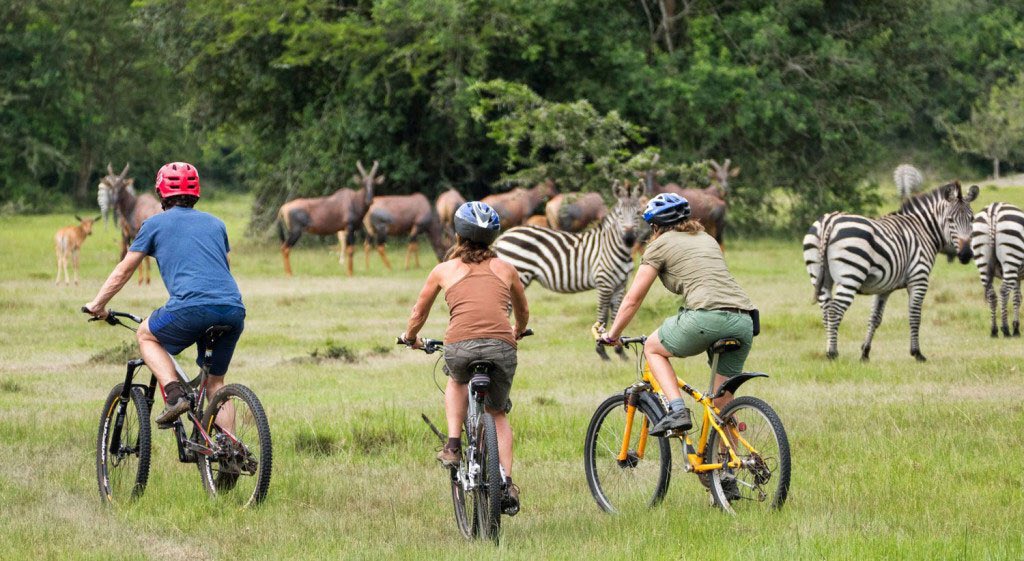
Cycle through villages, tea fields and forest edges on routes arranged by local guides. The hills are lively and the views over the valleys are some of the best in south-western Uganda.
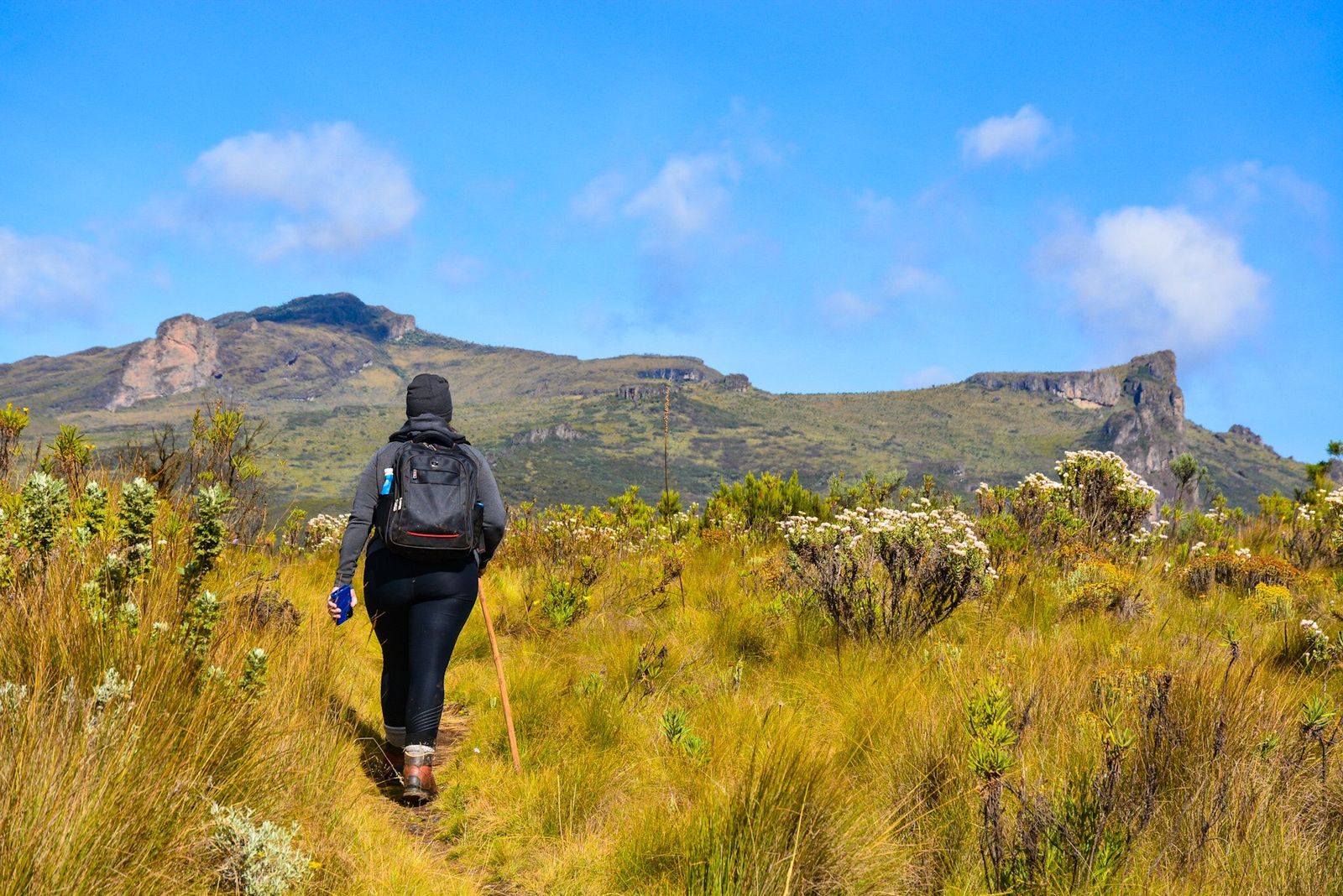
Within reach of Bwindi are the Virunga volcanoes of Mgahinga Gorilla National Park. Hikes up Muhabura, Gahinga or Sabyinyo reward you with crater lakes, bamboo forest and sweeping views across three countries.
Travel into southwestern Uganda for one of the country’s most extraordinary wildlife experiences, trekking mountain gorillas.
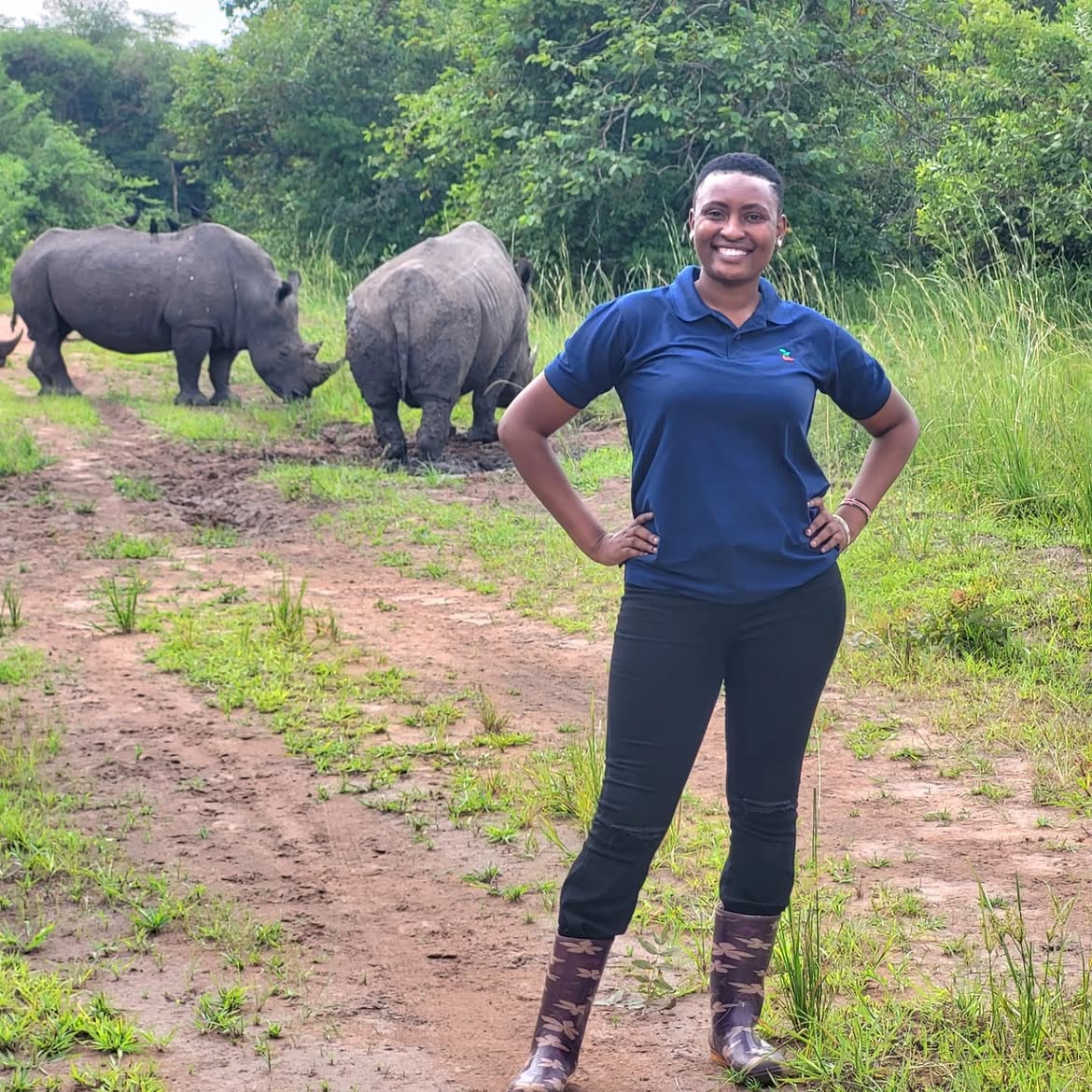 Taj’s Bwindi Tip
Hire a porter, even if you think you won’t need one. It supports the community, and it makes the trek so much easier. You’ll be glad you did.Taj
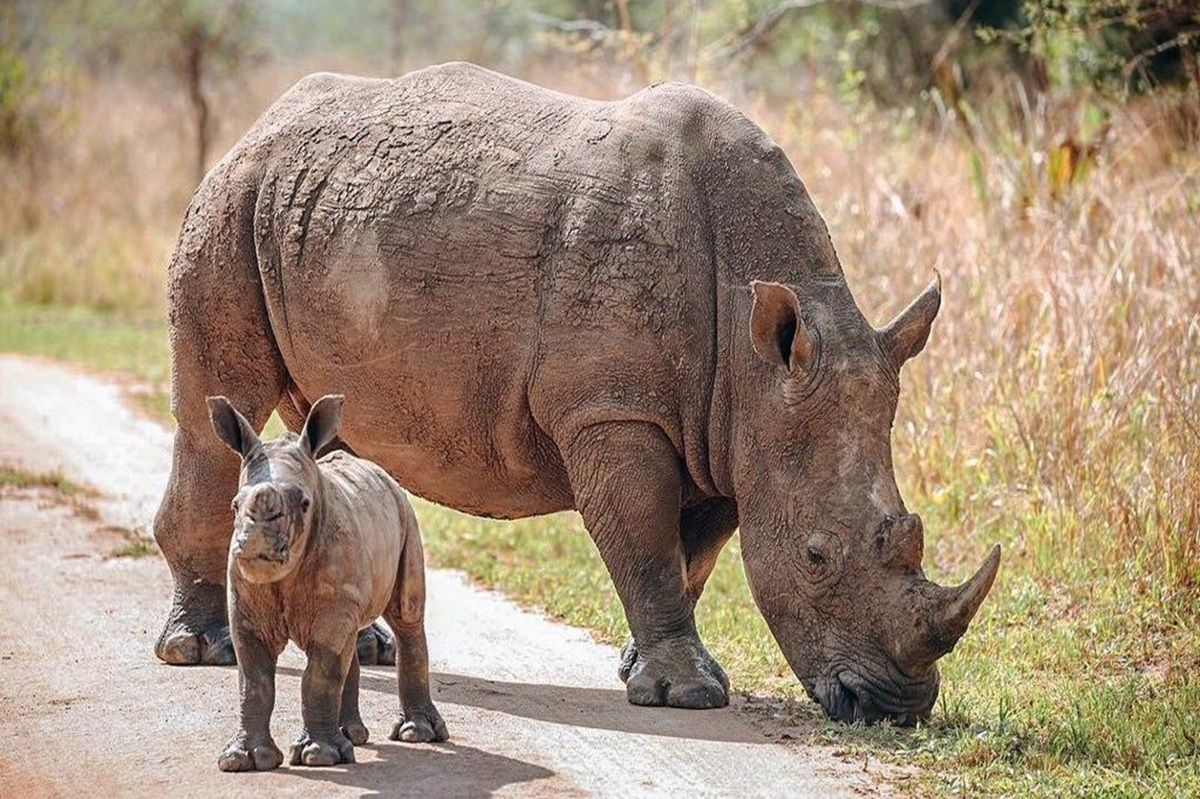
There's no vehicle between you and the rhino at Ziwa, just a ranger, a rifle nobody expects to use, and a very slow, very deliberate walk across open grassland.
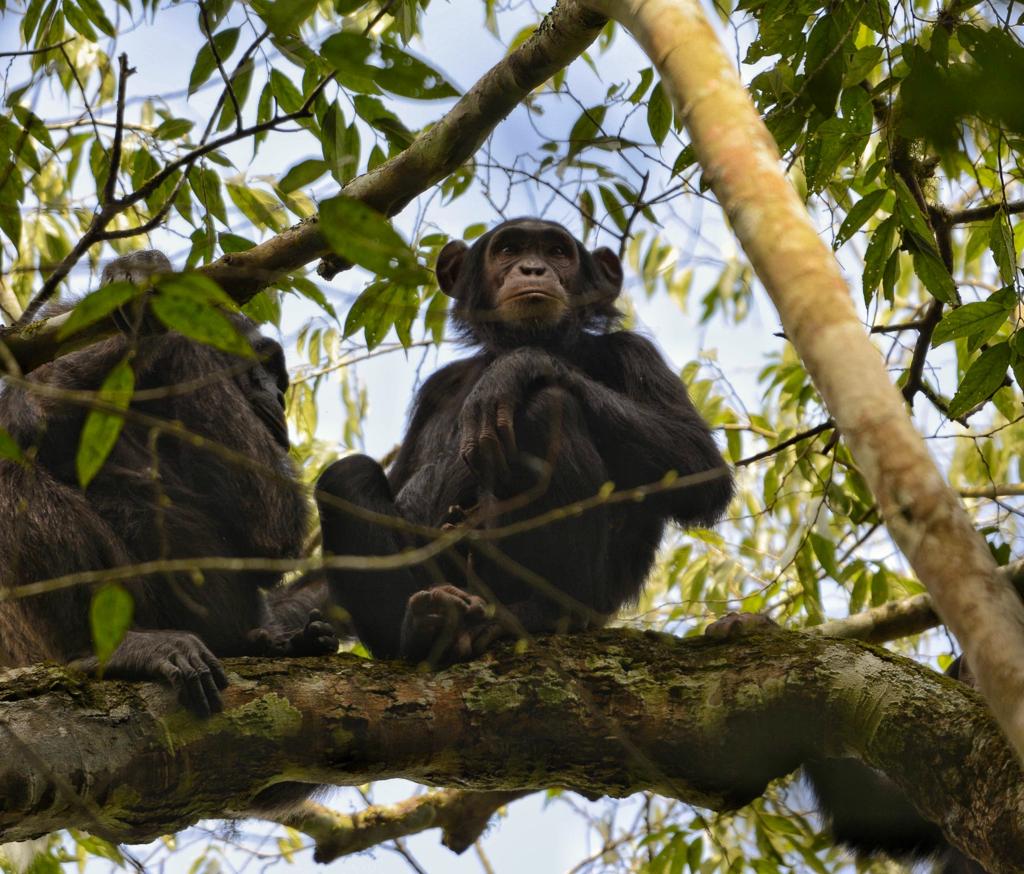
Read storyGorilla trekking gets all the attention, but chimp tracking in Kibale is louder, funnier, and far more physical. Chimpanzees move fast, and so do you, ducking through…
Read storyNobody fully prepares you for gorilla trekking. Not the guidebooks, not the briefing at the park office, not even the other travellers who did it the week before you.…
Read storyTreks can last from one to several hours on steep, muddy ground at altitude. Moderate fitness is enough, and porters are available to help with bags and tricky sections.
15 years. This is a park rule for gorilla trekking and is strictly applied.
One hour, once the group is found. It passes quickly.
As early as you can. Gorilla permits are limited and sell out well ahead of the busiest months.
Yes, and I recommend it. A Batwa visit, a nature walk or a day around Lake Bunyonyi turns a short trip into a richer one.
Sturdy hiking boots, long trousers and sleeves, gardening gloves and a rain jacket. Weather in the forest changes quickly.
Yes. Trekking is guided and carefully managed by park rangers who brief you on how to behave around the gorillas.
I can suggest lodges at different budgets near Buhoma or Ruhija, from simple to luxurious, and arrange the booking for you.
You don’t necessarily need a perfectly planned itinerary. Tell me when you’re coming, what you’re curious about and how you like to travel. I’ll help you find an experience that feels right for you. Let’s explore Uganda together.
A short message is all I need.